Customer stories • 8 Jun 2026
How KriSHE Carbon scaled smallholder biochar with BlueLayer's dMRV platform
About KriSHE Carbon
KriSHE Carbon helps smallholder farmers across rural India turn agricultural waste into income, healthier soil, and verified carbon removal, with women at the centre of their work. This network of women farmers has produced over 1,000 tonnes of biochar and removed roughly 2,000 tonnes of CO2 across hundreds of farms in Gujarat, Maharashtra and beyond, converting crop residue that would once have been burned into a stable soil amendment.
What sets KriSHE apart is its model. Rather than running a few central factories, KriSHE operates a decentralised network of local entrepreneurs called “Climapreneurs”. In each cluster of villages, a Climapreneur assesses local biomass potential, mobilises farmers, and brings a mobile Kon-Tiki kiln directly to the fields, usually within a 10-kilometre radius. KriSHE provides the training, the equipment and the oversight, while the Climapreneur runs the production cycle and earns from it. For every tonne of CO2 removed, a majority of the credit value goes to the Climapreneur who produced the biochar, and the rest flows back to the farming community.
In the participating communities, open-field residue burning has stopped entirely as a result and the farmers now run the kilns independently, many offering paid biochar services to neighbouring farms.
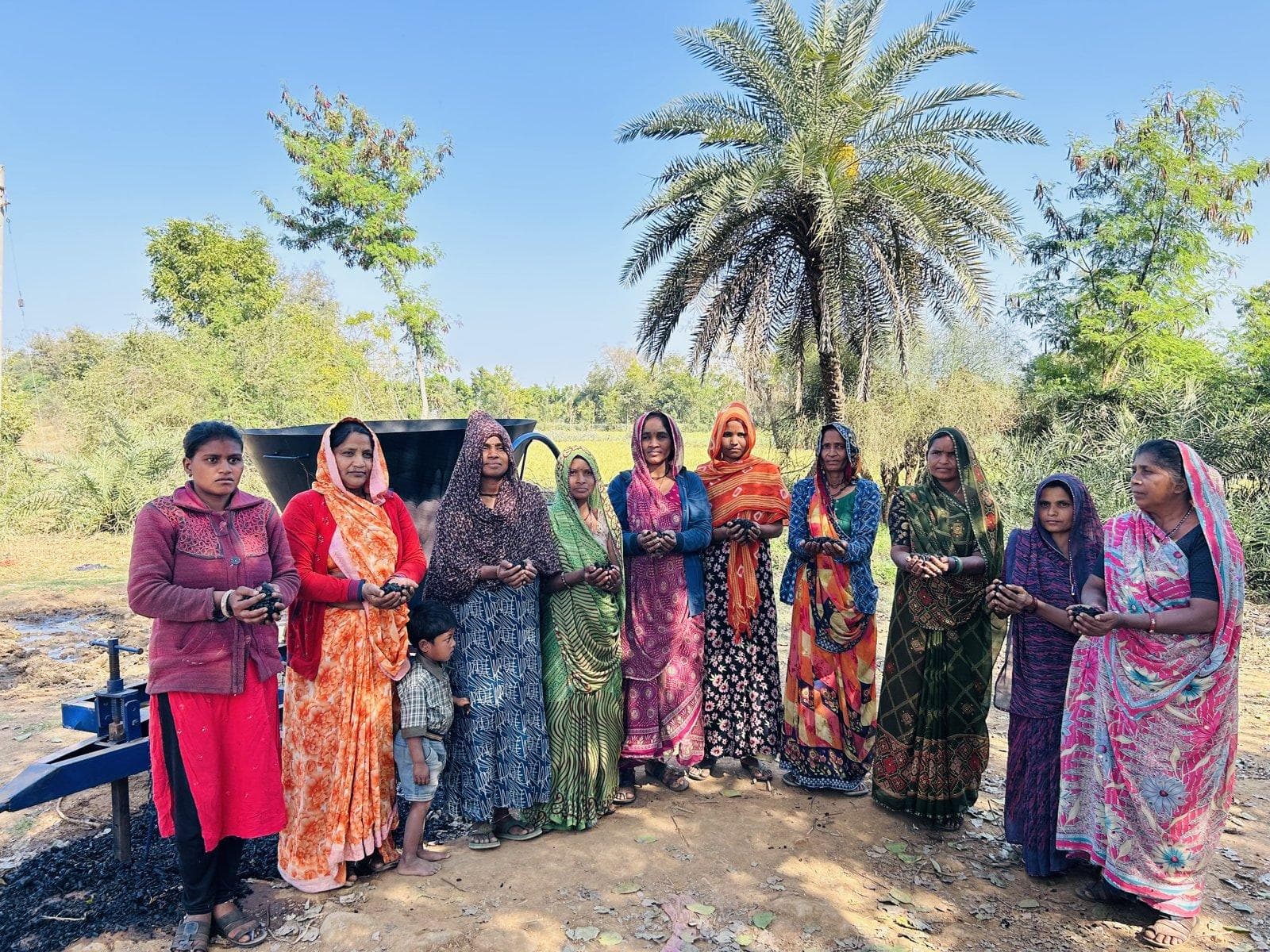
Picture 1. Training the local farmers of Gujarat to convert crop waste into biochar (photo courtesy of KriSHE Carbon)
The challenge
The decentralised, smallholder-driven model is what makes KriSHE's impact real and what makes verification hard. Carbon removal credits under the Global Artisan C-Sink Standard demand audit-grade evidence for every step: where the biomass came from, which kiln produced the biochar, how much was made, and where it ended up. When production is happening across hundreds of fields on mobile kilns moved between villages, all while working in areas with limited connectivity, that evidence chain is difficult to capture and easy to break.
The team needed a way to collect compliant operational data at the point of production, hold it together across the entire network, and assemble it into the verification packages required by the registry and the validation and verification body, without burying themselves in paperwork or relying on spreadsheets that could not stand up to an on-site audit.
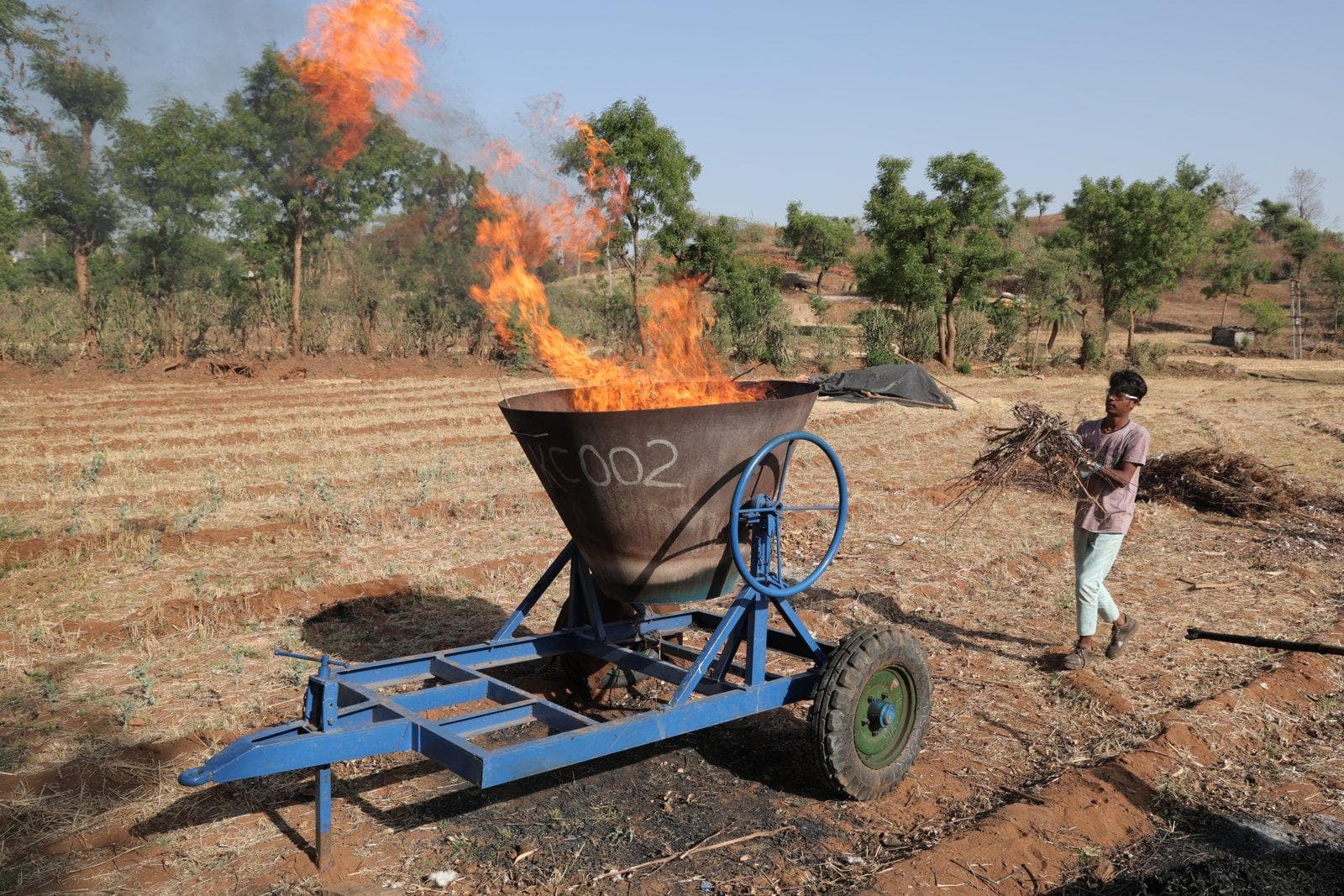
Picture 2. A Climapreneur feeds crop residue into the mobile Kon-Tiki kiln, converting waste that would once have been burned into stable biochar (photo courtesy of KriSHE Carbon)
The solution
KriSHE adopted BlueLayer's dMRV platform, that structured the project's measuring, monitoring, quantification, and reporting data into a single traceable chain.
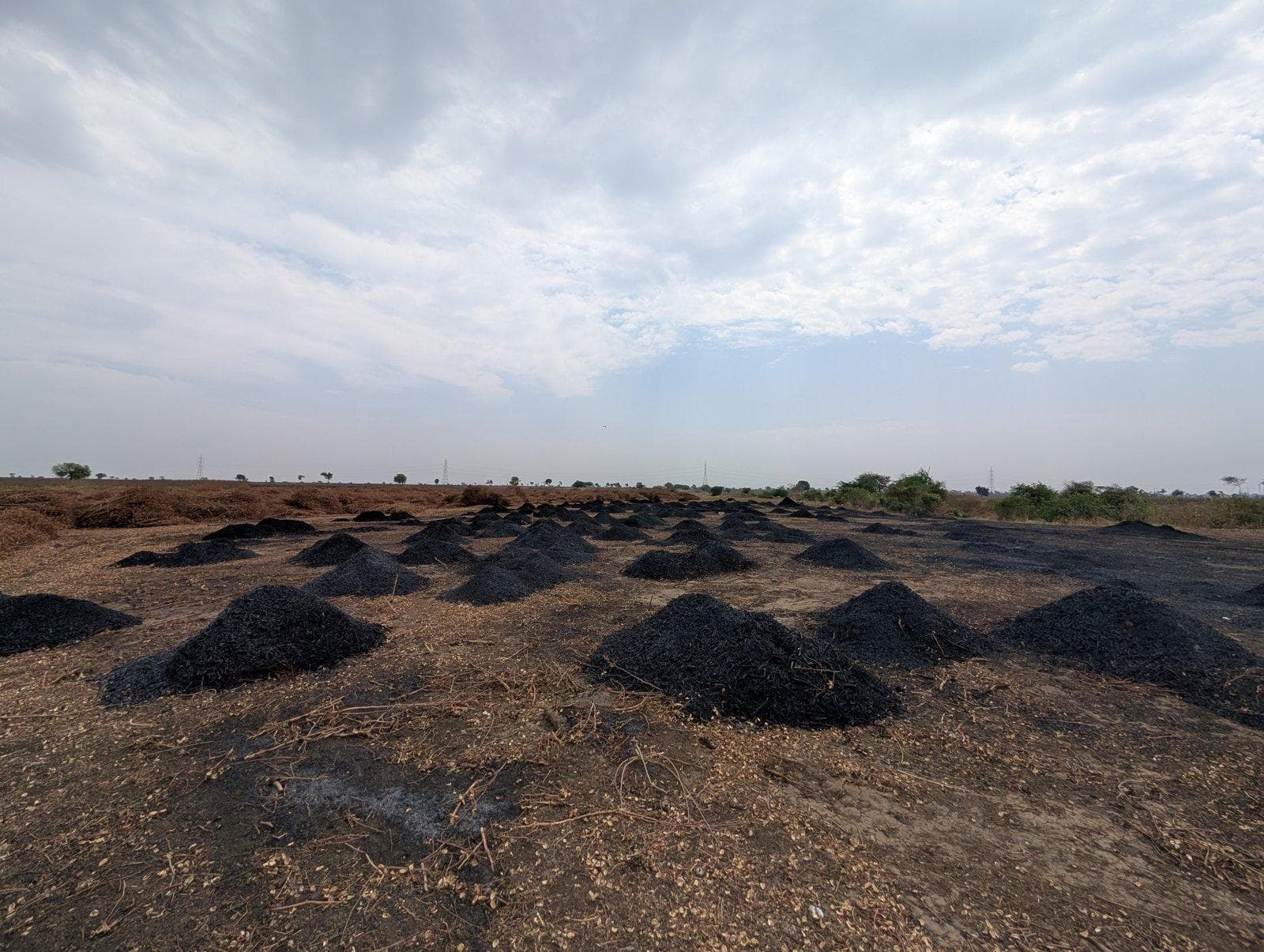
Picture 3. Biochar curing at a production site in Maharasthra (photo courtesy of KriSHE Carbon)
Measure & Monitor
Field workers record each step on the ground using BlueLayer's mobile companion app, which works offline and syncs when connectivity returns, essential for their rural production sites. Biomass collection is logged with GPS location, feedstock type (cotton, chilli, or mulberry residue), quantity and moisture, and geotagged photo evidence. Every Kon-Tiki kiln is registered with a unique identifier and tracked through a movement log as it relocates between villages. Each production batch captures the kiln used, the operator, output volume, the biochar recipient it fills, and a retained sample for analysis, all backed by photographic proof of the pyrolysis process.
Quantify
Biochar is packaged into recipients (big-bags or piles) with its own identifier and QR code, linked back to its production batch and feedstock, so dry-mass quantities are tracked through to the point where biochar is mixed into a carbon-sink matrix such as compost. The platform enforces methodology rules along the way, for example preventing biochar from different feedstock types being combined in the same recipient.
Report
BlueLayer aggregates all data and evidence for the carbon sinks created across the network and prepares it for submission to the Carbon Standards International registry. Production data that was once scattered across hundreds of fields, mobile kilns, and individual record-keepers now lives in a single source of truth, becoming a structured, audit-ready project that can be submitted for issuance in a few clicks. When a validation and verification body reviews field operations and data traceability, the team can trace every batch back, instead of reconstructing the record.
“For us, traceability is not a compliance box but rather how we keep faith with farmers and buyers at the same time. When we walk into an audit, we want every tonne to trace back to a real field, a real kiln, and a real family that earned from it. BlueLayer helps us prove that, batch by batch.”
Working with BlueLayer
BlueLayer's familiarity with the Global Artisan C-Sink Standard meant the workflow could be designed around real methodology requirements from the start, giving KriSHE a recognised, compliant foundation to build on.
The decentralised model that makes KriSHE's impact real, now has the operational backbone to prove it, batch by batch.
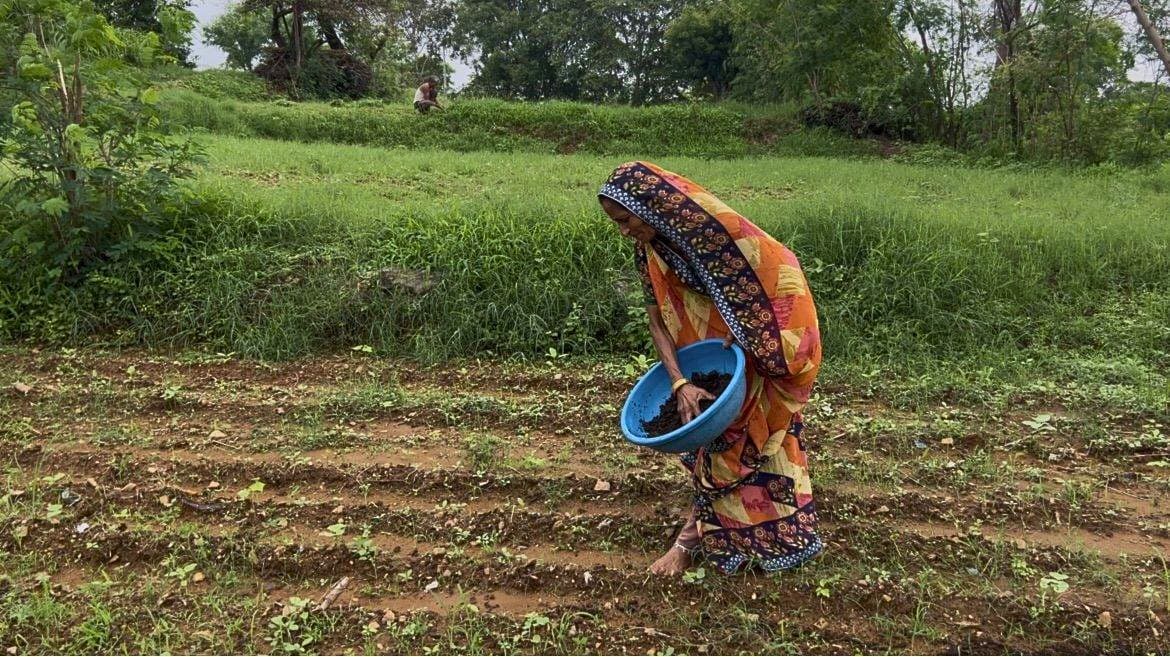
Picture 4. A farmer applying biochar directly to her field (photo courtesy of KriSHE Carbon).
Looking ahead
With its first carbon credits now issued under Carbon Standards International, KriSHE is moving from proven pilot to scale, deploying more kilns and engaging more Climapreneurs, with a goal of empowering 10,000 women farmers and removing 15,000 tonnes of CO2 by 2027.
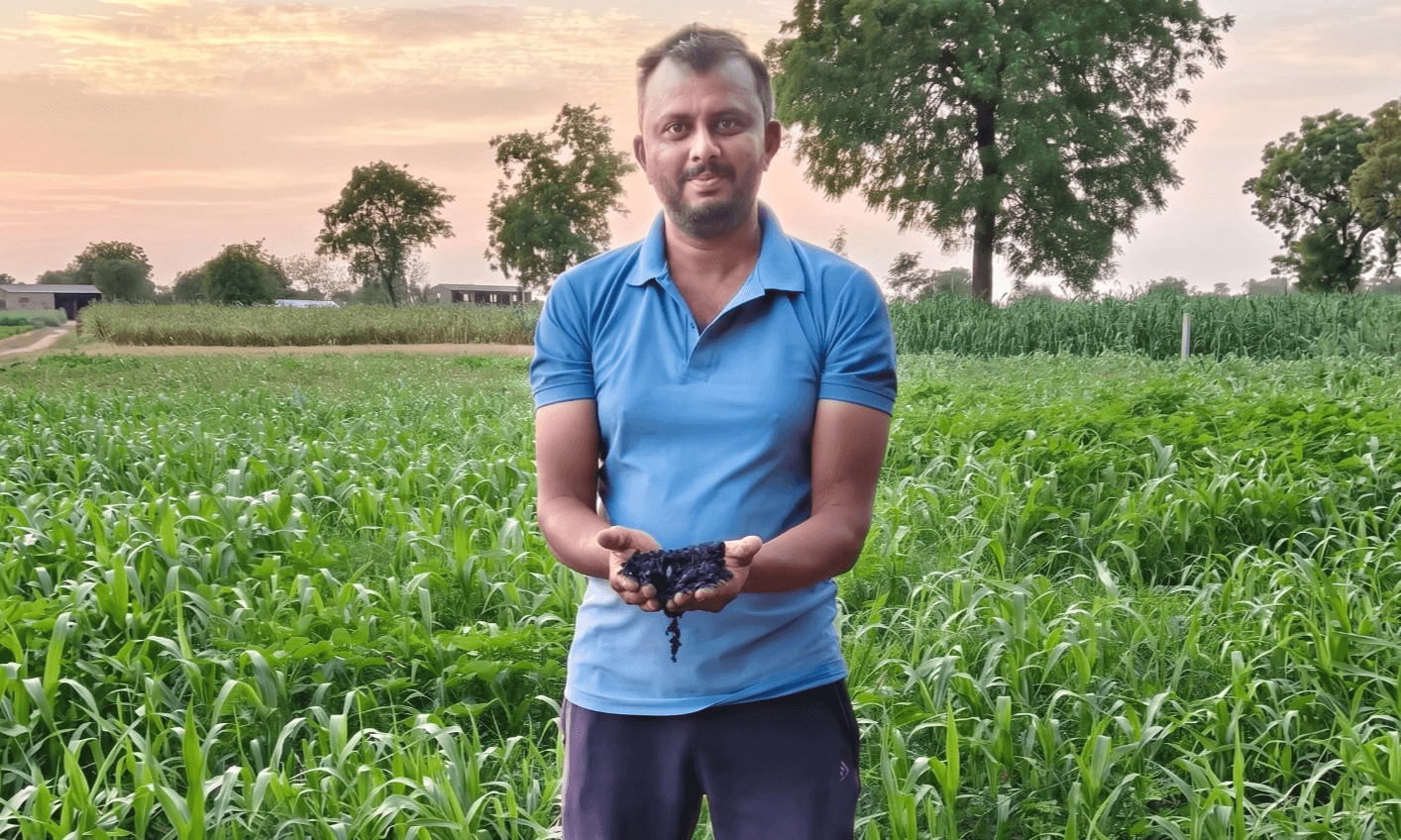
Picture 5. A Climapreneur from Maharashtra supporting his own local farming community (photo courtesy of KriSHE Carbon).
Every one of those credits depends on traceable, audit-ready evidence. As the network grows across new regions and feedstocks, BlueLayer's dMRV platform is built to grow with it, absorbing new production sites and thousands of new producers, without losing the traceability that makes the credits trustworthy.
Learn more about KriSHE Carbon here:
Want to see how BlueLayer can support your carbon removal project?
Get in touch with the BlueLayer team here.