Customer stories • 2 Jul 2026
How LongStraw Carbon scales biochar carbon removal across India with BlueLayer's dMRV platform
About LongStraw Carbon
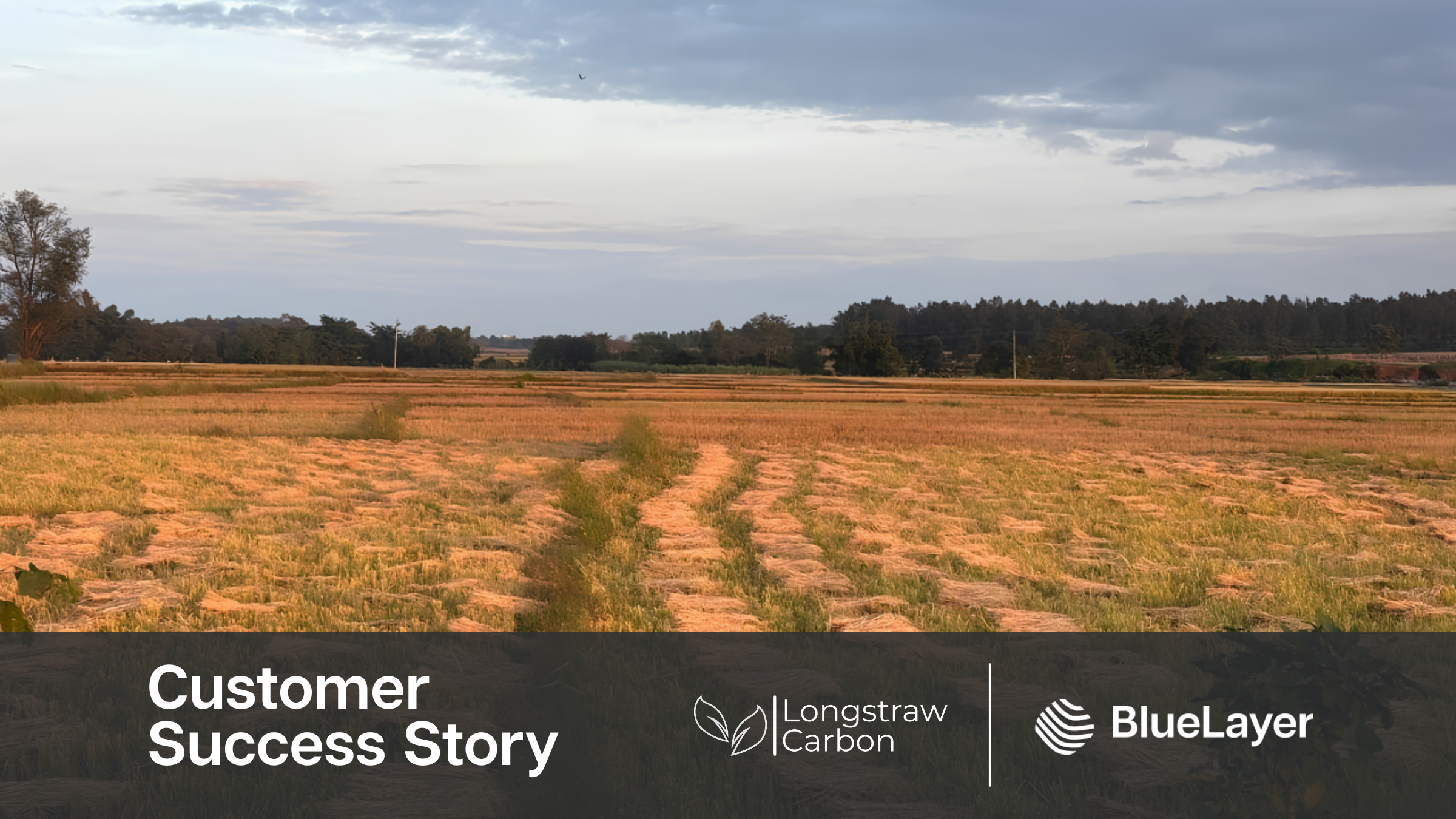
Founded in 2024, LongStraw Carbon converts agricultural waste into biochar, a durable form of carbon removal and a high-performance soil amendment, using its proprietary Staged Thermal Stabilization (STS) process. Focused on the rice industry, LongStraw's circular "Riceloop" model is built on partnerships with rice millers and paddy farmers, securing rice husk feedstock and converting it into biochar, bio-oil, and syngas. This approach delivers verified carbon removals while decarbonising rice milling, generating energy from syngas, and reducing rice husk ash pollution.
LongStraw's flagship Kalinga Project in Odisha, India, is targeting 10,000 tonnes of biochar production in its first 12 months, with a roadmap to 100,000 tonnes per year by 2028. Credits will be issued under Isometric’s Biochar Production and Storage protocol (v1.3), while the biochar itself will be distributed as organic soil amendment under their "MatiBoost" brand.
The challenge
A credible carbon removal claim depends on clear traceability at every step: where the feedstock comes from, how the pyrolysis runs, how co-products and energy are accounted for, and proof of how and where the biochar is ultimately used. For a company like LongStraw that runs multiple production units across two end use cases, those traceability demands compounded quickly.
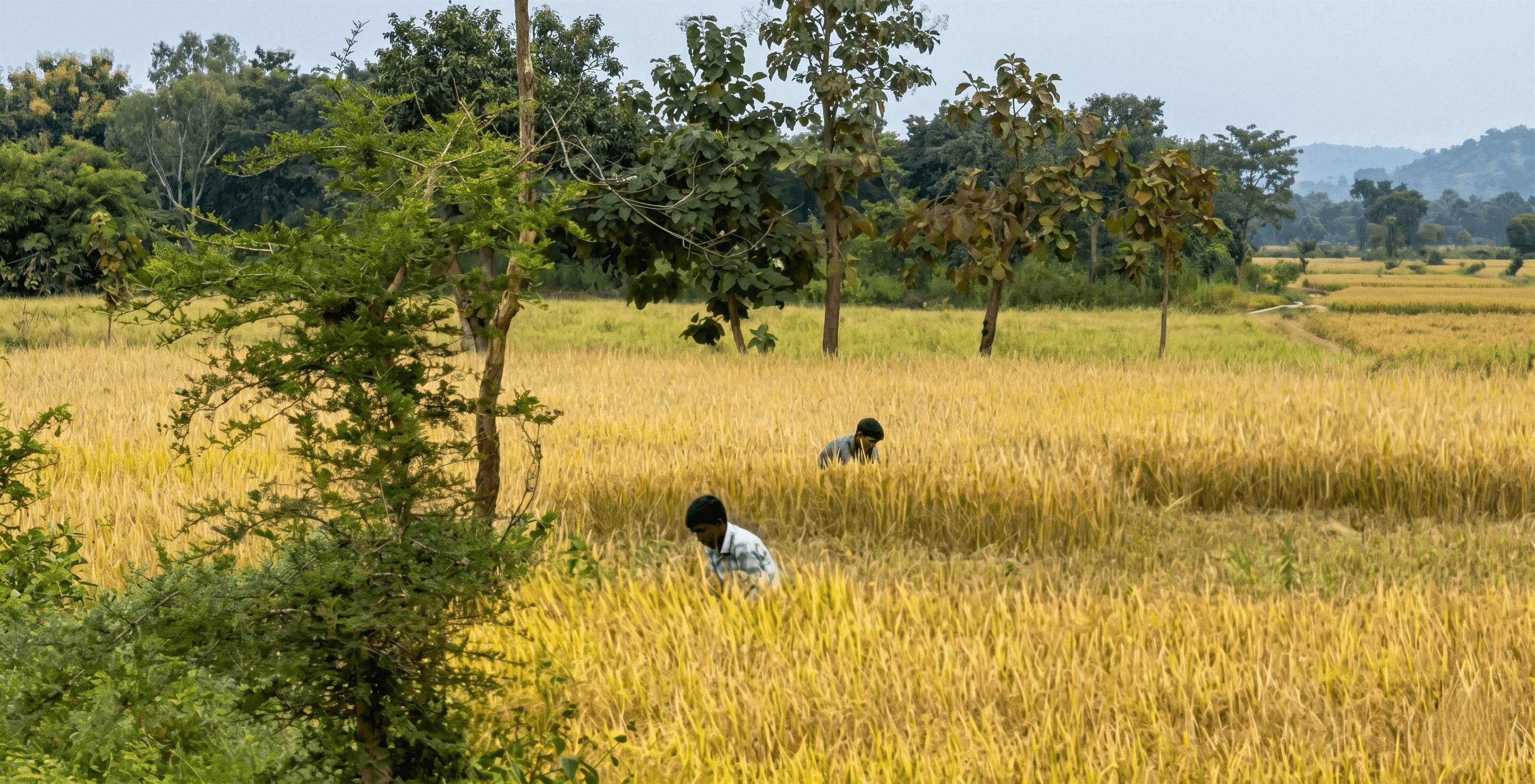
Picture 1. Farm workers tending a ripening rice field by hand (photo courtesy of LongStraw Carbon)
LongStraw's team recognised early that generic tools and spreadsheet-based workflows would not keep pace with their production ambitions. The company needed an operating layer that could mirror its real processes and remain audit-ready from the very first tonne of biochar produced.
The solution
BlueLayer powers LongStraw's entire MRV operation, providing a fully customised dMRV platform configured to LongStraw's production processes. Rather than forcing LongStraw's operations to fit a generic template, BlueLayer has built the model around how a biochar developer’s projects actually run.
"We chose BlueLayer as they were able to mirror our operations rather than constrain them. Their dMRV platform is configured to our specific process: STS technology, our industrial grade pyrolyser, mill partnerships, and syngas redirection designed to scale with us toward 100,000 t/year."
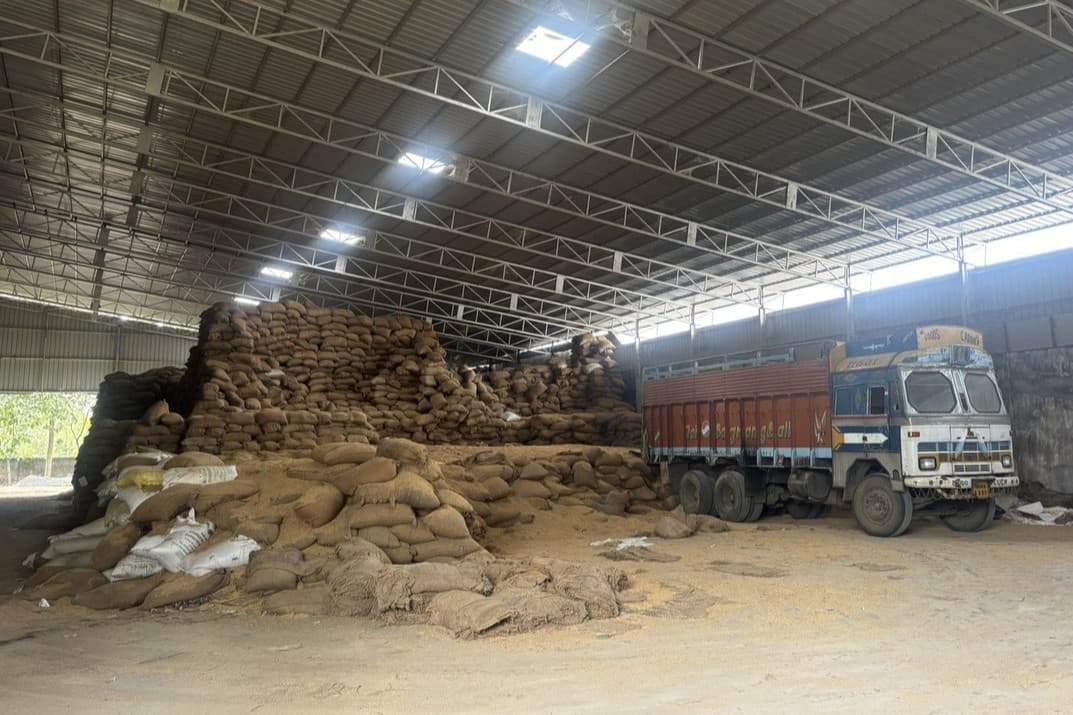
Picture 2. Inside LongStraw’s rice mill partner's warehouse, sacks of rice stacked for storage (photo courtesy of LongStraw Carbon)
Measure & Monitor
BlueLayer captures operational data across every stage of LongStraw's biochar pathway. Feedstock intake records distinguish rice husk piped directly from adjacent mills from biomass delivered from distant sources, including payload, fuel, and route data. Continuous reactor logs from the rotary kiln pyrolyser feed into the system at production frequency. Co-product flows (bio-oil, syngas, process emissions), multi-source energy use (grid, solar, and self-generated energy from syngas combustion), and downstream biochar distribution (mixing records, contracts, photo evidence) all flow into the same system. Inputs reach the platform through BlueLayer's mobile companion app, built specifically to function offline for field teams.
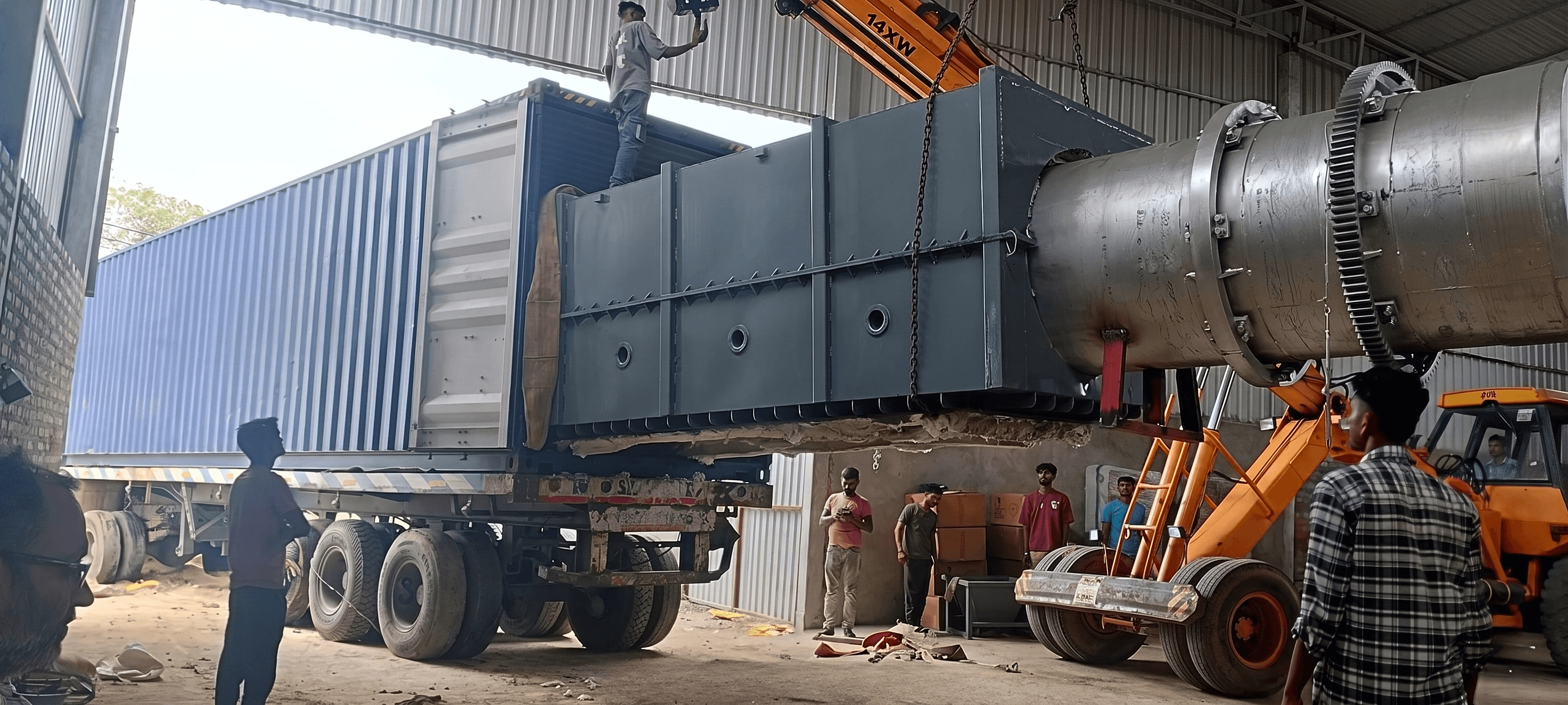
Picture 3. Installing the pyrolysis reactor on site (photo courtesy of LongStraw Carbon)
Quantify
LongStraw's raw operational data is converted into carbon accounting outputs aligned to Isometric's industrial biochar methodology. Biochar yield is calculated on a dry-mass basis, with reactor logs and moisture data feeding the quantification engine. Co-product allocation logic, including the share of syngas redirected into partner mill boilers, is built directly into the model, alongside lifecycle emissions accounting for grid, solar, and the self-generated energy sources. The output is a net carbon removal figure attached to every production batch, recalculated as new operational data flows in.
Report
Every figure produced by the quantification is linked back through the dMRV platform to the measurements and evidence that support it, creating a continuous audit trail verifiers can navigate without assembling it manually. Methodology compliance checks against Isometric's industrial biochar requirements run as data flows in, surfacing gaps before they reach the verifier rather than during the audit. As the verification cycle begins, the VVB reviews the data, the calculations, and the supporting evidence in one place, removing the need to reformat or re-key data between LongStraw's operational systems and the registry.
The result
LongStraw now operates with a unified data system spanning its entire biochar production lifecycle. Operational data captured at the facility flows directly into a structured evidence base, eliminating the manual consolidation that typically delays first-issuance cycles for industrial biochar developers.
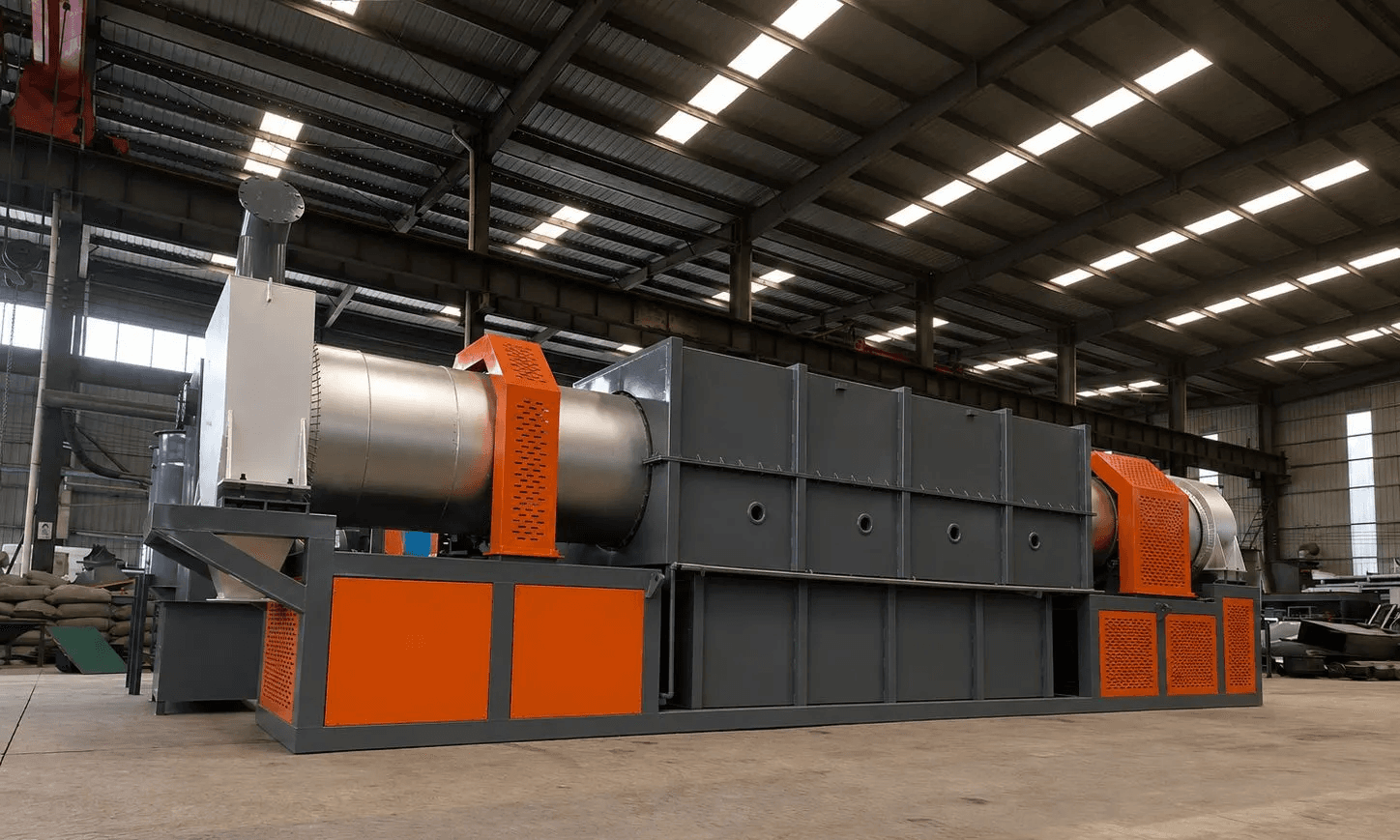
Picture 4. The Kalinga Project’s pyrolysis reactor (photo courtesy of LongStraw Carbon)
The same dMRV foundation will also support LongStraw's offtake conversations. BlueLayer converts LongStraw’s day-to-day operational data into a visual, end-to-end representation of the carbon removal pathway that can be shared with buyers and investors, that is fully traceable back to the underlying data, calculations, and evidence.
In a market where buyers and financiers increasingly underwrite projects on the durability and integrity of the underlying credit, that quality signal is a direct input to bankability. Demonstrating consistent biochar specifications, batch by batch, gives offtakers and capital providers the confidence to commit earlier and at longer tenors. As LongStraw moves into commercial issuance, that transparency will compound.
Working with BlueLayer
“The BlueLayer team works with us across the full pre-issuance journey: mapping operational flows, validating MRV assumptions, aligning on Isometric’s requirements, and ensuring audit readiness ahead of our first issuance.”
Looking ahead
As LongStraw scales, it is building toward a future where every tonne removed can be traced, verified, and financed with confidence. The combination of industrial-scale biochar production and a robust dMRV foundation positions them to deliver the transparency and integrity that carbon buyers, investors, and the broader CDR market increasingly demand.
Learn more about LongStraw here:
Want to see how BlueLayer can support your carbon removal project?
Get in touch with the BlueLayer team here.