Company updates • 16 Sep 2026
Storefronts vs. Static Portfolio Decks
Project developers spend weeks assembling data rooms, refining slide decks and modelling issuance forecasts, so a credit buyer can arrive at a number they trust. All of that work captures a single moment, and keeping it accurate means repeating it every time their portfolio moves.
Every enquiry consumes the commercial and operations team time, and every round of email closes a little more of the window in which a buyer is ready to act.
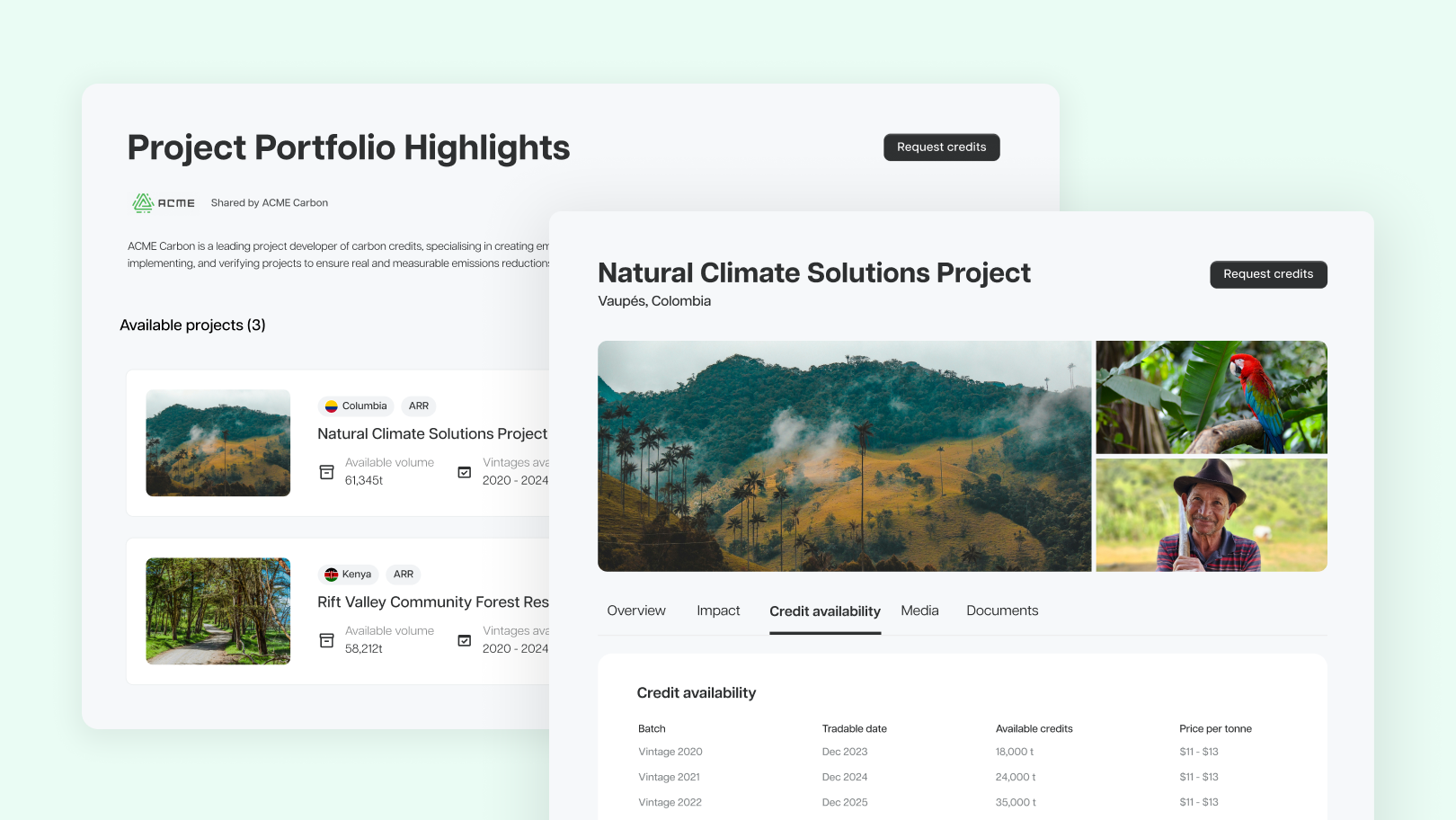
Storefronts have now changed the shape of that process. Rather than pushing a static artifact towards a buyer, a developer publishes a live, permissioned view of its portfolio that includes real-time dMRV data and live credit availability that is synced directly with their carbon inventory. By providing buyers with real-time data not only are they viewing the most accurate account of the project at that time but developer's claims are backed up in real data that creates trust and drives sales.
What a static portfolio deck actually is
A portfolio deck describes a developer's projects, typically containing project summaries, methodology and registry details, co-benefit narratives, media, issuance history and an indicative price or volume table.
Decks persist because they work well enough at a low volume. They are easy to produce, easy to control and easy to attach to an email. For a developer with one project and a handful of repeat buyers, a deck is a reasonable tool.
Where decks fall short
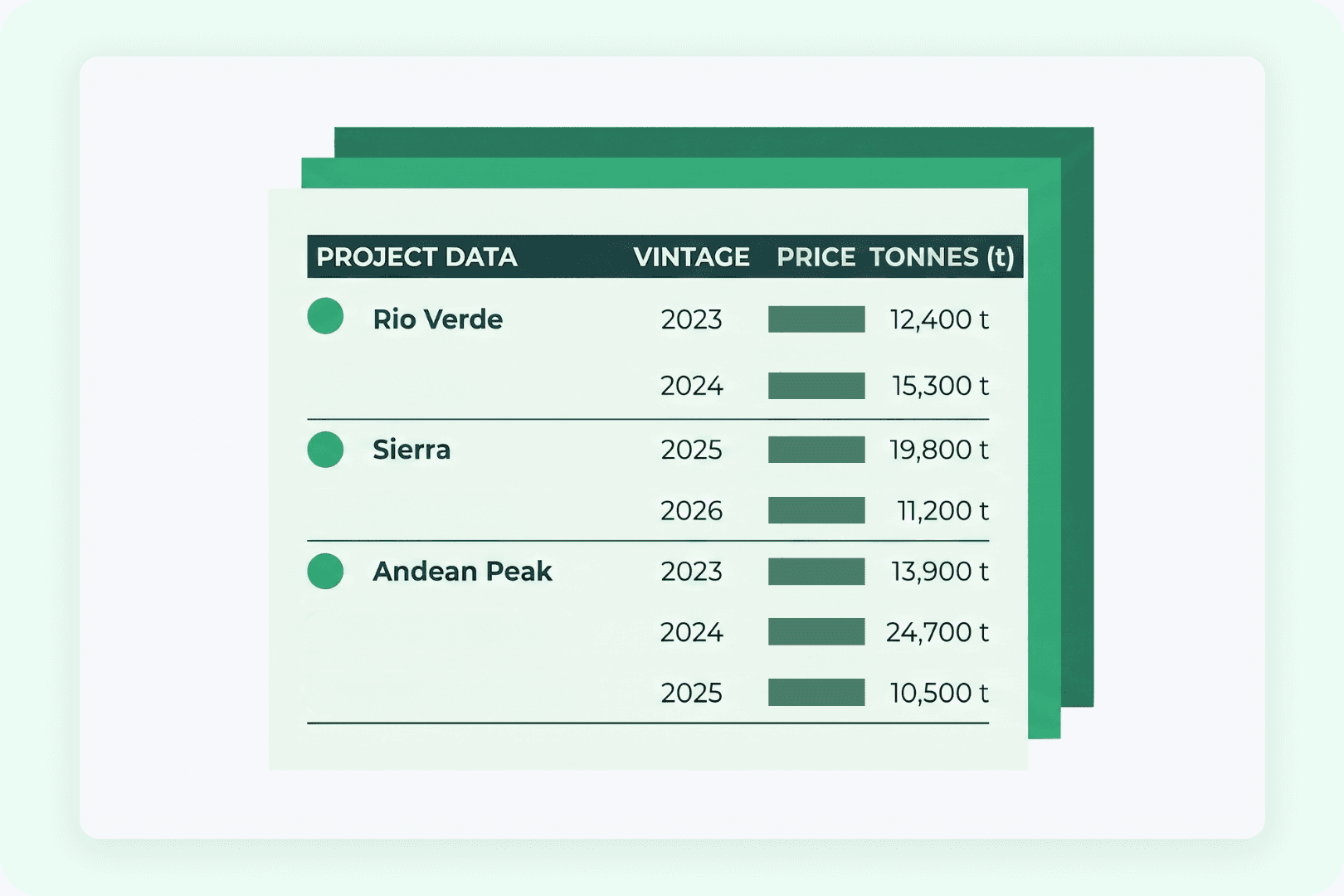
Picture 1. Visualization of carbon credit stock in a portfolio deck
The buyer cannot self serve
Carbon procurement is rarely a single-person decision. A Sustainability Lead builds the shortlist, Procurement scrutinises commercial terms, Legal reviews the offtake structure and in many organisations a technical reviewer or external ratings provider assesses project quality.
A Storefront takes the developer out of that loop, as the buyer can log in whenever they need to and see the current position without prompting the supplier, removing friction and accelerating hand-offs.
Evidence is asserted rather than demonstrated
A deck can claim strong monitoring practice, robust methodology alignment and a credible issuance forecast. Buyers scrutinising quality increasingly want access to the underlying material, such as validation and verification reports, monitoring data, PDDs, live production data, audit trails, and structuring it all in an email becomes cluttered.
The developer has no engagement visibility
Once a deck gets sent out, the developer usually has no signal about whether it was opened, which projects held attention, who else it was forwarded to or whether the buyer stalled at pricing or at methodology. Commercial teams end up chasing on a fixed cadence rather than on intent, which is both less effective and more irritating for the buyer.
What a storefront does differently
A carbon credit storefront is a live window into a developer's portfolio, published directly from the same system where their inventory and project data already live, so it's never a manual export or a stale copy.
Instead of exporting a snapshot, the developer shares a controlled view: which projects to show, which volumes, which documents, which price signals, and to whom. Buyers browse, filter, open documentation and submit requests/enquiries against specific projects and volumes. The developer keeps full control over data, pricing and access, and sells directly to the buyer.
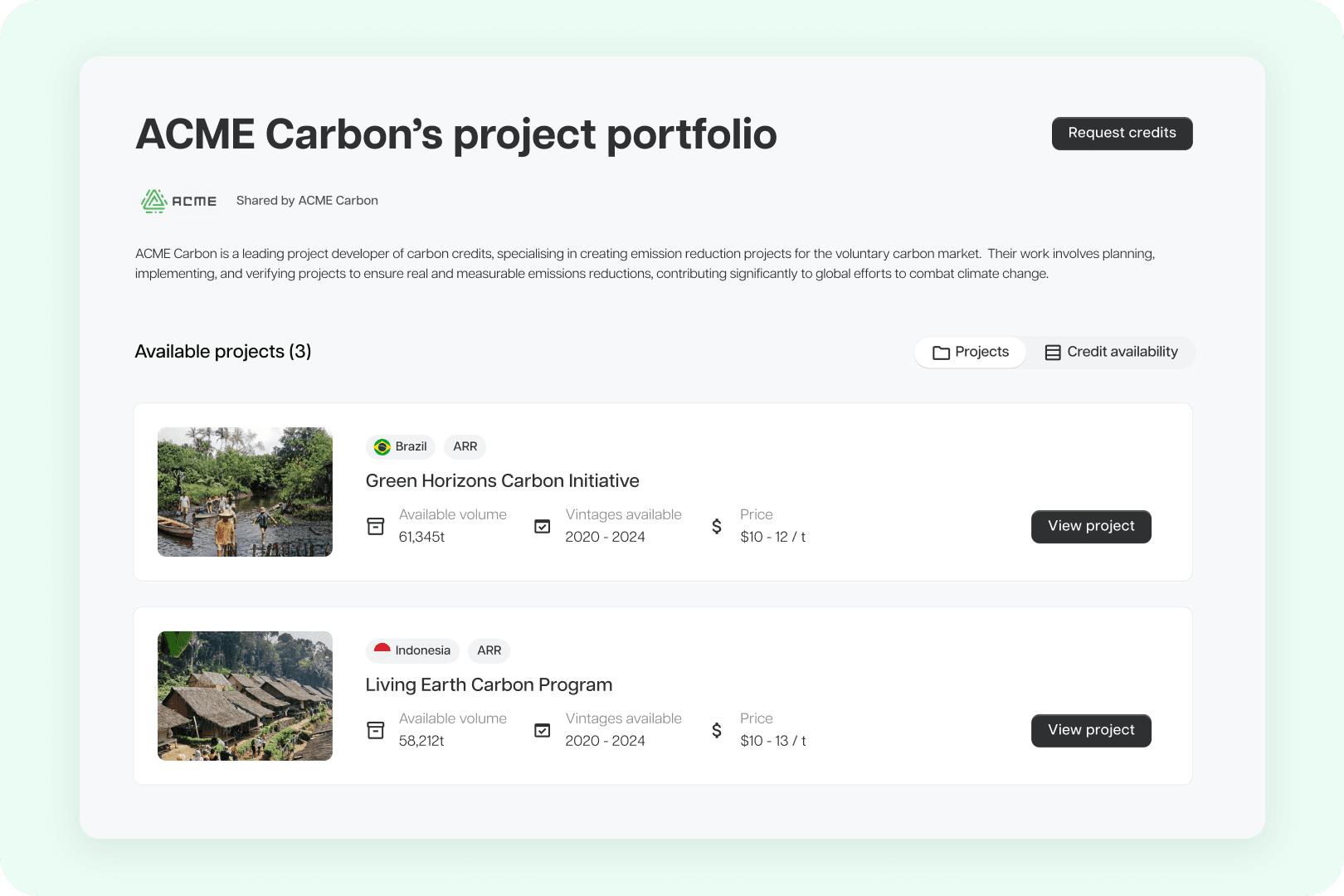
Picture 2. A BlueLayer Storefront homepage
What changes when the data is live
Quicker and more accurate answers
What a buyer sees for a given vintage reflects the developer's actual position, as the Storefront reads from the same inventory the operations team works on. Reservations, allocations and new issuances are accounted for without anyone updating a slide, so the volumes on screen are the volumes that exist.
For developers, this prevents a critical sales risk: offering credits that are already committed elsewhere, as the built-in inventory controls ensure those credits are no longer shown as available.
Sellers can act on intent
Since a Storefront is a permissioned environment, everything a buyer engages with is visible to the developer. Which projects a buyer opens, how often they return, how long they spend on each, which documents they download and which volumes or vintages they filter for is tracked in the form of engagement analytics.
Knowing that a buyer returned three times to a specific project and downloaded its verification report is a materially better basis for a follow-up that can prioritise real interest.
Transparency is itself a quality signal
Publishing a live portfolio says something about the developer before a buyer has looked at a single project. Developers willing to expose current inventory, real documentation and consistent pricing are making a statement about their operational transparency, and buyers read it that way.
This matters more than it used to, as buyers burned by integrity questions now assess the developer alongside the credits, and operational discipline has become part of what they are looking at. A complete document set available on demand says the evidence was already in order rather than assembled once someone asked for it.
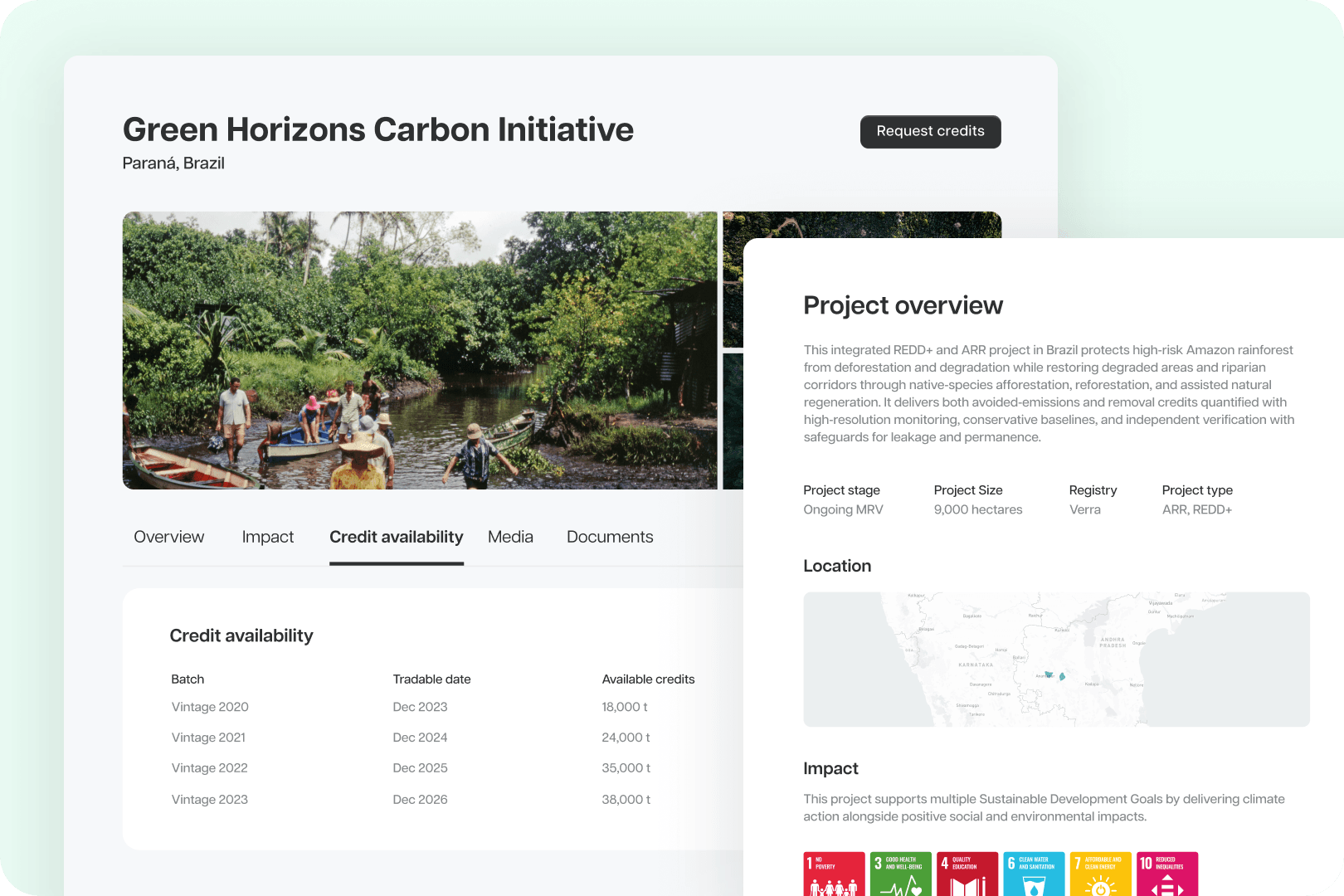
Picture 3. Project details and credit availability in a BlueLayer Storefront
What engagement analytics mean for developers
The same data tells a developer where a deal is stalling. A buyer who repeatedly returns to a project's verification documentation has an integrity question, while one who lingers on volume and pricing has a budget or timing question, and those two situations call for very different follow-ups. Knowing which one is in play before the conversation happens is the difference between a useful call and a diagnostic one.
Aggregated across buyers and over time, engagement data also becomes a demand signal for the portfolio rather than for any single transaction. Consistent interest in a particular vintage, methodology or geography is information a developer can feed into pricing, issuance planning and decisions about which projects to develop next.
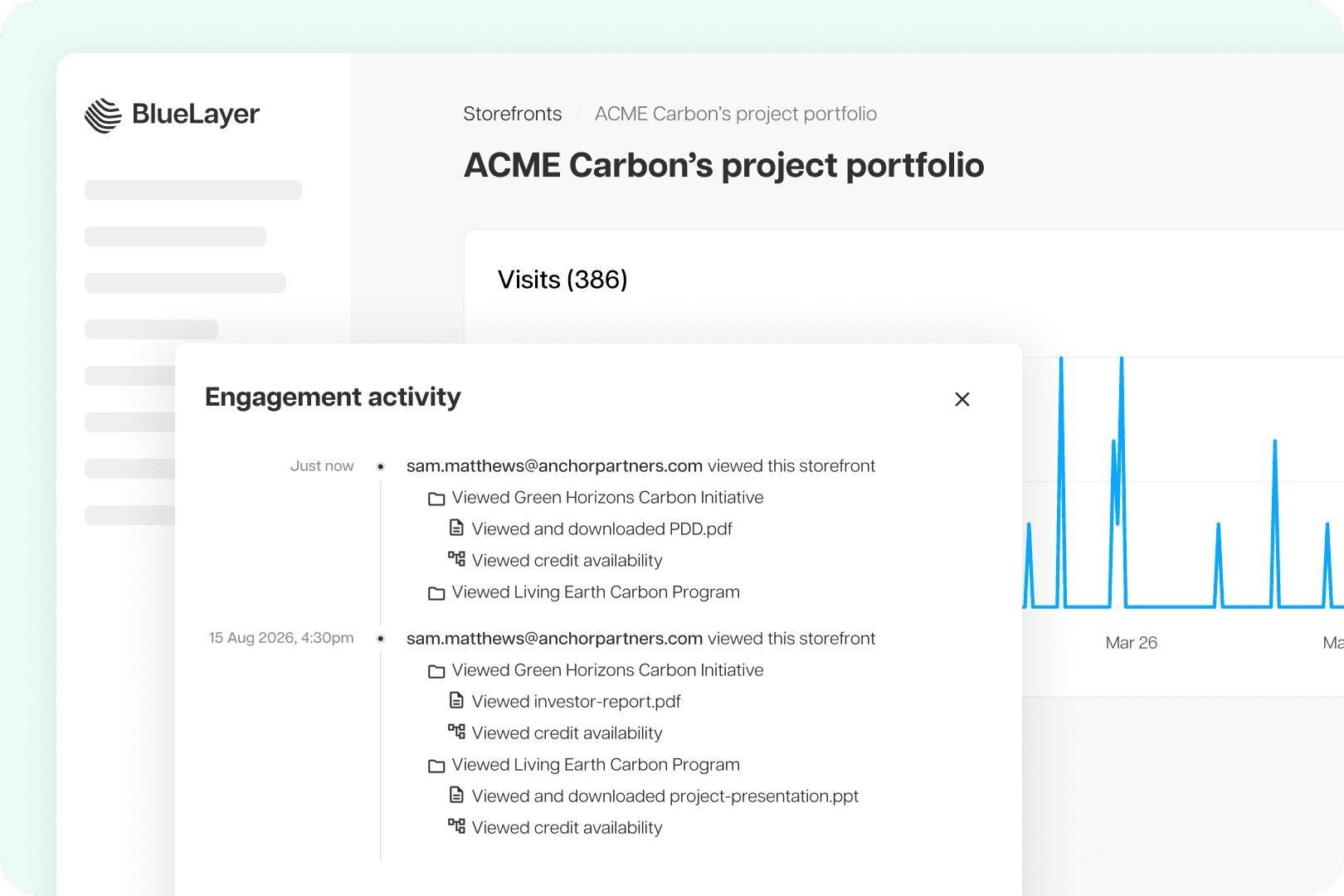
Picture 4. BlueLayer Storefront engagement analytics
We used to chase buyers over email and rebuild a proposal from scratch every time. Now we present our projects through BlueLayer and share live availability through Storefronts, so we’re always showing real-time inventory to buyers.
See how hummingbirds connects its high-integrity carbon projects to buyers through Storefronts here.
Interested in seeing how a Storefront works in practice?
Request a demo here.